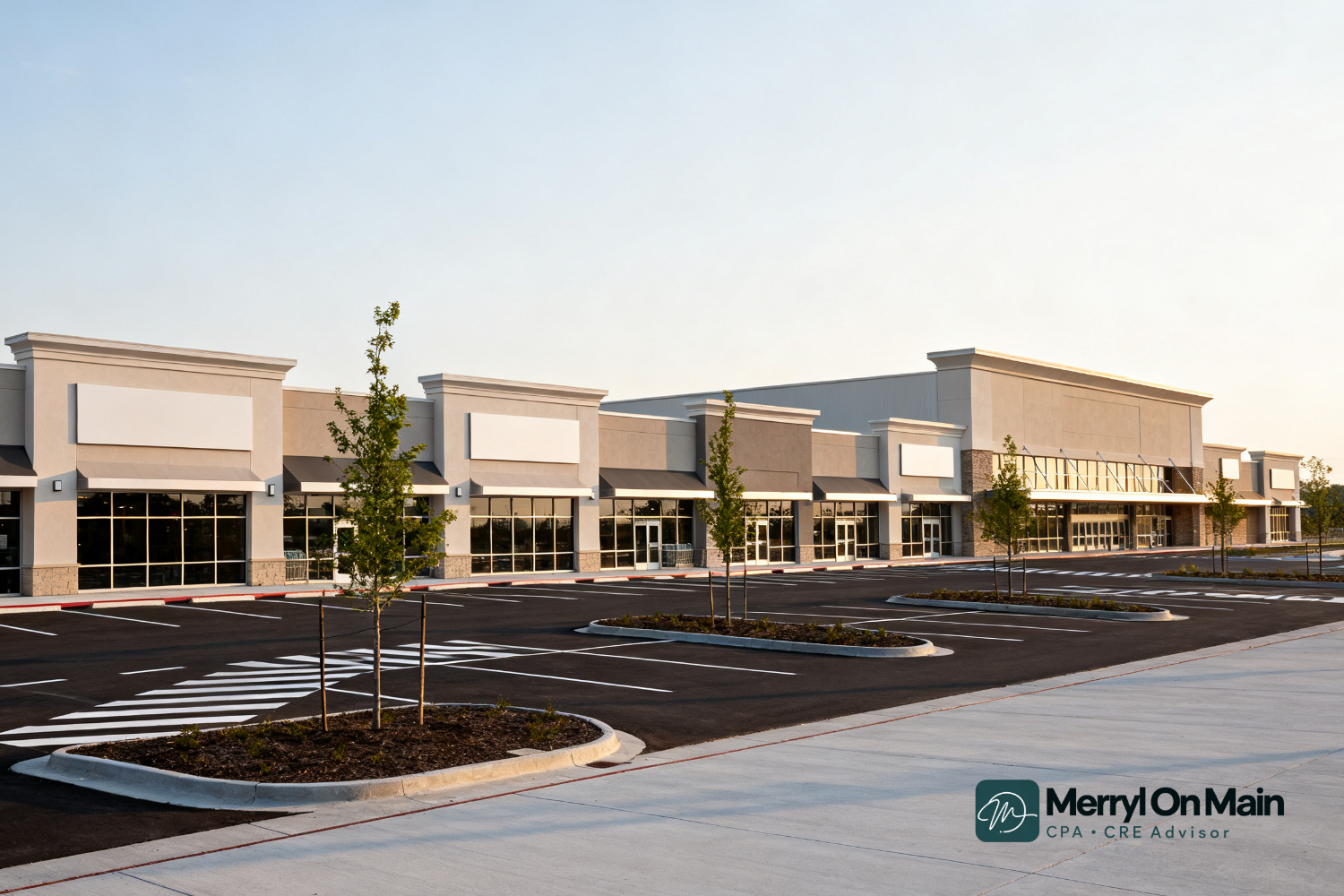
Underwriting and Due Diligence for Newly Completed, Fully Leased Retail Centers
Hanley Investment Group Real Estate Advisors recently arranged the sale of Apple Valley Towne Center, an 87,042-square-foot, newly built regional shopping center at 19390 Bear Valley Rd. in Apple Valley that is described as 100% occupied by three national junior box tenants and shadow anchored by a grocery store. For commercial property owners, investors, and advisors, transactions like this highlight specific underwriting, due diligence, and asset-management issues unique to recently completed retail centers. This article focuses on those commercial real estate considerations and practical decision points to evaluate when acquiring, financing, or advising on similar assets.
What matters about newly constructed, fully leased retail centers
New construction and full occupancy can make a shopping center attractive, but several attributes determine whether the apparent stability translates into durable investment value:
Tenant credit and diversification: National junior-box tenants typically provide predictable traffic and rent collections, but concentrated tenant lineups increase exposure if one tenant underperforms or exercises expansion/contraction options.
Shadow anchor role: A nearby grocery store as a shadow anchor can materially support center demand and foot traffic without appearing on the same lease roll, but its absence from the rental income stream still creates operational dependency.
Lease terms and escalation: Investors should examine base rents, CPI or fixed escalations, expense pass-throughs, and any abatement or allowance provisions that affect near-term cash flow.
Construction completion and warranties: Newly built centers may still have outstanding punch-list items, ongoing warranties, and contractor obligations that impact near-term capital needs and liability.
Location and access: Visibility, traffic counts, and access points influence tenant performance; address and access characteristics support leasing assumptions and valuation.
Due diligence checklist for recently completed shopping centers
Review executed leases, amendments, and signed estoppel certificates to confirm rental rates, term dates, renewal options, and exclusive use or co-tenancy clauses.
Obtain a current rent roll and testing of collections to validate reported occupancy and cash flow, including verification of security deposits and prepaid rents.
Confirm certificate of occupancy, completion of required municipal inspections, and any outstanding building-code or zoning compliance issues.
Inspect construction warranties, contractor closeout documentation, and any remaining punch-list items that may require owner attention or cost reserves.
Reconcile CAM, taxes, insurance allocations, and operating expense caps to understand future expense recovery and tenant pass-through obligations.
Complete environmental screening (Phase I) to identify site risks associated with previous uses, fuel storage, or drainage that could affect financing or insurance.
Review insurance policies for adequacy, exclusions, and any developer-to-owner transition requirements.
Verify utility, drainage, parking, and signage permits and any maintenance agreements that affect operating cost responsibilities.
Underwriting and financing considerations specific to this asset type
Lenders and investors take a different view of newly completed retail centers than of stabilized, long-term assets. Useful underwriting considerations include:
Occupancy quality over quantity: While 100 percent occupancy is positive, underwriters focus on tenant financial strength, lease lengths, and the timing of upcoming expirations.
Stabilization timeline: If any leases include rent steps, TI reimbursement schedules, or performance-based rent, build those into a near-term stabilization plan and cash-flow waterfall.
Capex and reserve assumptions: Newly built properties still require lifecycle forecasting for roof, parking, and facade maintenance; lenders often require replacement reserves or higher debt-service coverage buffers.
Tenant improvement and leasing reserves: Account for potential retenanting costs if a national tenant exercises early termination or relocates within the center.
Exit flexibility: Consider how tenant mix and lease roll structure affect marketability at sale—buyers pay a premium for long-term, investment-grade leases and predictable expense pass-throughs.
Risks, tradeoffs, and potential value-add strategies
Owners and buyers should balance stability against concentration risk and consider practical ways to protect or enhance value:
Concentration risk: A small number of large tenants can create outsized exposure; purchase underwriting should stress-test vacancy scenarios and rent recovery timelines.
Dependency on shadow anchors: A shadow-anchoring grocery supports traffic but provides no direct rent—monitor the anchor's lease and operations where possible through market checks.
Flexible repositioning: Evaluate whether pad sites, facades, or common-area footprints allow for densification, alternative uses, or incorporation of experiential tenants if market demand shifts.
Lease renegotiation opportunities: Where leases approach renewal, consider re-leasing strategies, modest capex to increase per-square-foot yields, or reconfiguring spaces for smaller-format retailers or service providers.
When to Involve an Advisor
Transactions involving newly built retail centers present a mix of construction, leasing, and financing questions where specialized guidance pays off. A commercial advisor can help validate underwriting assumptions, coordinate due diligence, and identify operational risks and revenue opportunities. For assistance tailored to acquisition, disposition, or asset management of shopping centers, consider consulting a Commercial Property Advisory professional.
If you are evaluating acquisition, disposition, or financing strategies for a retail center, Merryl On Main can help you weigh risk, structure the deal, and think through long-term asset performance. To discuss your specific property or portfolio questions, Explore Commercial Real Estate.